
Your smile affects more than your appearance. It plays a role in how well you chew, how easily you clean your teeth, and how your jaw functions over time. Orthodontics has changed a lot in recent years, and patients now have more treatment options than ever before.
Good results still depend on choosing an experienced orthodontic specialist who can evaluate your bite, recommend the right treatment, and guide your progress from start to finish.
At Imperial Orthodontics, patients receive personalized orthodontic care designed to support healthier, more confident smiles. This blog will explain the main types of braces, how they compare, what payment options may look like, and how to choose the treatment that fits your smile.
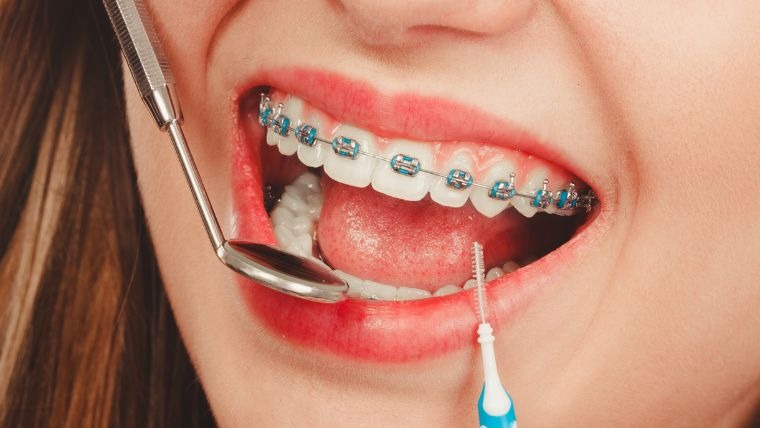
What Are Braces and How Do They Work?
Braces work by applying steady, gentle pressure to the teeth. Over time, this pressure helps guide teeth into healthier, better-aligned positions.
Braces may be used to treat:
- Crowded teeth or spacing between teeth
- Overbites and underbites
- Crossbites and open bites
- Jaw alignment concerns that affect chewing or speaking
- Crooked or misaligned teeth
A trusted orthodontist monitors your progress during each appointment and adjusts treatment as needed. Regular visits also help identify smaller concerns before they become bigger problems.
Patients can learn more about available types of braces before starting treatment.
Who Can Benefit From Braces?
Age is not usually a limiting factor when it comes to braces. Orthodontic treatment can help children, teens, and adults improve alignment, bite function, and smile confidence.
Braces may benefit:
- Children whose jaws are still developing
- Teenagers going through active alignment years
- Adults correcting issues that were never treated earlier
- Anyone dealing with mild crowding, spacing, or more complex bite problems
Your orthodontist can recommend the best treatment option after evaluating your teeth, bite, and long-term goals.
Types of Braces Available
There are several types of braces available, and the right option depends on your orthodontic needs, lifestyle, and treatment goals.
Traditional metal braces are still one of the most reliable options for correcting a wide range of orthodontic issues, from minor spacing to complex bite correction. Modern metal braces are smaller and more comfortable than older designs.
Clear ceramic braces use brackets that blend in more naturally with your teeth. Many teens and adults choose clear braces when they want effective treatment with a less noticeable appearance.
Self-ligating braces use a different bracket design that can reduce friction between the wire and bracket. Some patients may notice easier maintenance and fewer adjustment visits, depending on their treatment plan.
Deciding between these options usually comes down to the severity of your alignment issue, your daily routine, your smile goals, and your orthodontist’s recommendation after a complete evaluation.
Traditional Braces vs. Clear Braces
Traditional braces are a strong option for more complicated tooth movement. They are durable, effective, and often recommended for patients with more complex orthodontic concerns.
Traditional braces may also be more cost-effective than some other treatment options.
Clear braces are less noticeable day to day while still offering effective treatment for many common orthodontic issues. They often appeal to patients who care about the appearance of their orthodontic treatment but still want the reliability of braces.
Both options can create excellent results. The right choice depends on your bite, your goals, and how important treatment visibility is to you.
Patients who are interested in a more discreet option can also explore Invisalign clear aligners as an alternative to braces.
Flexible Payment Plans for Braces
Cost should not be the reason someone puts off orthodontic care. A practice that offers flexible payment plans for braces can help make treatment more manageable for families and individuals.
Flexible payment options may include:
- Monthly financing that spreads the cost over time
- Payment arrangements built around your budget
- Coordination with insurance when applicable
- Upfront conversations about pricing before treatment begins
This type of flexibility can make budgeting simpler, help patients start treatment sooner, and keep the focus on long-term oral health.
Imperial Orthodontics offers helpful information about orthodontic financing for patients who want to better understand payment options before beginning treatment.
Choosing a Trusted Orthodontist for Braces
When searching for a trusted orthodontist for traditional and clear braces, look for a provider with specialized training, updated diagnostic technology, and a personalized approach to treatment.
The right orthodontist should:
- Evaluate your teeth, bite, and jaw alignment
- Recommend treatment based on your specific needs
- Explain your options clearly
- Monitor your progress throughout treatment
- Help create results that support long-term oral health
Experience matters at every stage of treatment, from the first diagnosis to the final result. Patients can learn more about what sets the practice apart by visiting the Why Choose Us page.
What to Expect During Your Braces Consultation
Your first braces consultation usually includes digital imaging, an evaluation of your bite and alignment, and a conversation about which type of braces may be best for your case.
From there, your orthodontist will create a treatment plan that explains:
- Which braces option may be recommended
- How long treatment may take
- What payment options are available
- What to expect during follow-up visits
- How to care for your braces at home
This consultation is a helpful first step in understanding your options and feeling confident about your treatment plan.
Caring for Your Braces
A few daily habits can help keep your braces treatment on track.
Helpful care tips include:
- Brush after meals, especially around brackets
- Floss carefully each day to avoid buildup
- Rinse regularly to help keep plaque away
- Avoid sticky candy and hard foods
- Do not chew on pens, ice, or other hard objects
Adjustment visits are also important. They allow your orthodontist to track your progress, keep treatment on schedule, and fix small issues before they slow down your results.
Areas We Serve
Imperial Orthodontics proudly offers orthodontic treatment for patients from:
- Richmond
- Rosenberg
- Sugar Land
Patients can contact the Sugar Land orthodontic office to schedule a consultation and learn more about treatment options.
FAQs
Types of Braces: Choosing the Right Orthodontic Treatment for Your Smile
- What are the different types of braces?The most common types of braces include traditional metal braces, clear ceramic braces, and self-ligating braces. Your orthodontist can recommend the best option based on your smile, bite, and treatment goals.
- Are clear braces as effective as traditional braces?Clear braces can be effective for many mild to moderate orthodontic issues. Traditional braces may be recommended for more complex cases because they can provide strong, precise tooth movement.
- How do I know which braces option is right for me?A consultation with an orthodontist is the best way to determine which braces option is right for you. Your orthodontist will evaluate your teeth, bite, lifestyle, and budget before recommending a personalized treatment plan.
- Are flexible payment plans available for braces?Many orthodontic practices offer monthly financing, insurance coordination, and flexible payment options to make braces more affordable. Imperial Orthodontics provides financing information to help patients understand their options before treatment begins.
- What should I expect during orthodontic treatment?During orthodontic treatment, you can expect regular adjustment visits, consistent home care, and progress checks to make sure your teeth are moving safely into their ideal positions.